
Why Do Seniors Experience More Change?
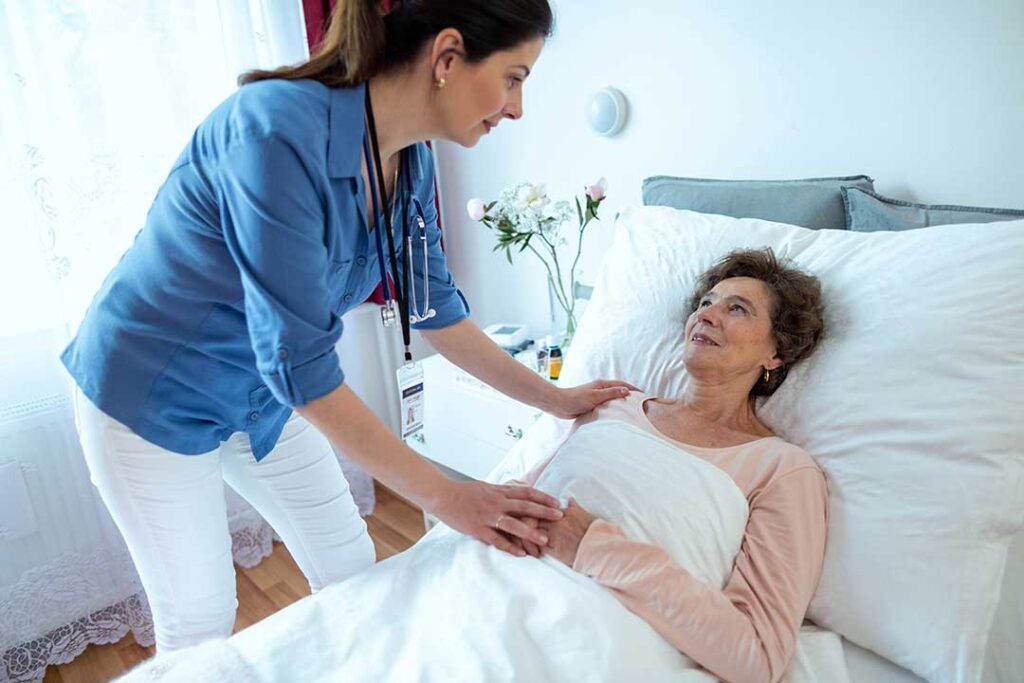
Older adults often experience a series of major transitions later in life, including changes in health, living arrangements, and social networks. These shifts can be more challenging due to reduced flexibility, both physically and emotionally. In Bryn Mawr, PA, where many families are deeply rooted, change can also mean altering long-held routines and connections within the community.
What Are The Most Common Changes Seniors Face Locally?
Residents of Bryn Mawr may encounter transitions such as:
- Downscaling from larger homes to apartments or assisted living residences after decades in the same neighborhood
- Adjusting routines because of limited mobility, particularly during winters with icy sidewalks or challenging terrain
- Missing familiar community gatherings if transportation becomes difficult
- Adapting to new medical needs or dietary restrictions that require new habits or support
Each of these changes has practical and emotional effects. For many, the sense of stability provided by long-term housing or familiar landmarks is especially valued, so disruptions may feel unsettling.
How Can Loved Ones and Friends Best Offer Support?
Providing support means more than just offering help with logistics—it includes empathy and patience. Here’s what local families and friends can do:
- Listen first: Offer a welcoming ear before suggesting solutions.
- Maintain routines when possible: Encourage favorite activities, whether a morning stroll along local trails or a cherished book club.
- Offer practical help gently: Assist with transportation, shopping, or navigating new healthcare routines, but respect the senior’s desire for independence.
It’s common for family members to want to help directly, but sometimes even small gestures—like sharing a meal or reminiscing about local events—are just as meaningful.
What Challenges Do Seniors Find Most Difficult to Talk About?
Moving to a new residence or admitting the need for more assistance isn’t always easy to discuss. Many seniors fear losing autonomy or feeling they might burden their loved ones. In a place like Bryn Mawr, where community identity is strong, some may also worry about losing their role in neighborhood traditions or social circles.
Starting the conversation early and normalizing these topics—frame housing changes as a next chapter, rather than a loss—can make it easier for everyone.
What Are Helpful Strategies for Adjusting to Change?
There are practical approaches to managing transitions with resilience:
- Focus on continuity: Keep familiar items—such as family photos, favorite chairs, or books—when adapting to a new setting.
- Stay connected: Join activity groups or attend community events to maintain social ties and discover new interests.
- Build new routines: Establish regular outings or daily walks, especially if outdoor areas are accessible and safe.
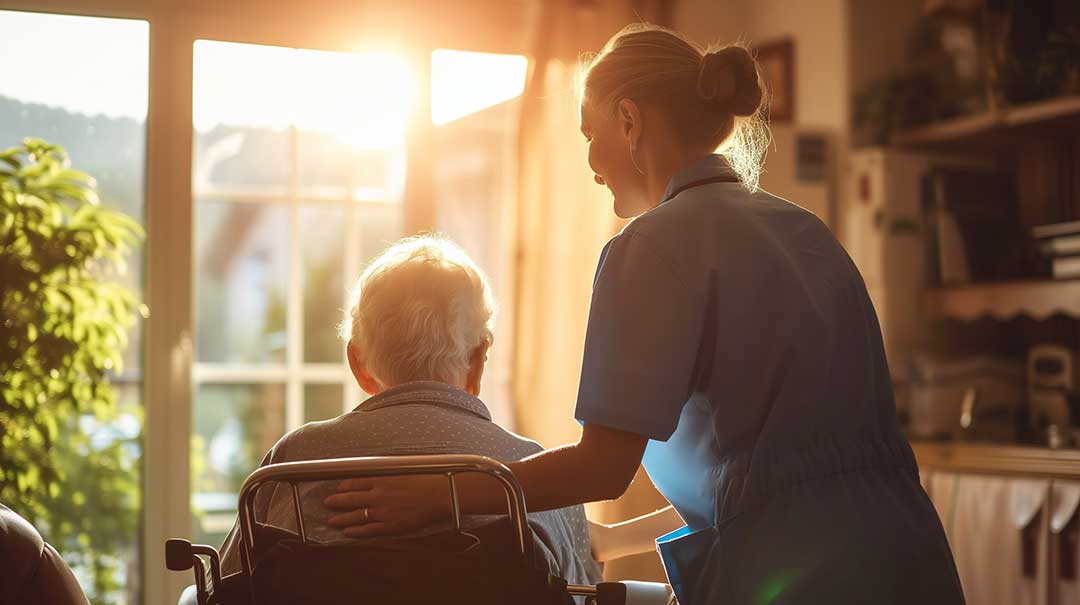
Many local residents find sticking to daily rituals—like reading the local newspaper or watching seasonal changes in nearby parks—helps anchor them during uncertain times.
Does the Bryn Mawr Environment Affect How Seniors Experience Change?
The physical setting influences how transitions are managed. For instance, the walkable neighborhoods and accessible green spaces in Bryn Mawr provide opportunities for seniors to stay active and connected. However, seasonal weather (such as icy sidewalks in winter) may sometimes limit outdoor engagement, requiring flexible plans for indoor activities or safe group outings.
Additionally, the close-knit feel of many neighborhoods can be a source of strength as well as anxiety. While neighbors often check in with each other, some seniors may feel self-conscious about accepting help or speaking about loneliness.
Is Grief or Anxiety About Change Normal?
Feeling anxious, frustrated, or even sad about change is completely normal. Adjusting may take time, and reactions can vary from person to person. Some might be excited by the opportunity to downsize and meet new people, while others feel a strong sense of loss.
Changes in health status, loss of driving privileges, or bereavement are particularly sensitive transitions. While it’s helpful to talk openly, it’s also important to respect privacy and personal pace. If distress seems persistent or overwhelming, seeking support from community organizations or medical professionals is a reasonable step—not a sign of failure.
Can Involvement in the Community Ease Transitions?
Yes, staying active locally is one of the best ways to maintain a positive outlook during periods of change. Seniors benefit from neighborhood events, social clubs, library programs, cultural outings, and group fitness classes—all of which can be found within Bryn Mawr.
Participation in local traditions or volunteering provides both structure and a sense of belonging. Even simple involvement, like chatting with neighbors during a walk or attending a seasonal market, can help maintain continuity and well-being.
What Misconceptions About Aging and Change Should Be Addressed?
A common misconception is that all change in later life leads to decline or isolation. In reality, many older adults thrive when given opportunities to engage and adapt at their own pace. Change can bring new activities, friendships, and sources of joy, even amid difficulties.
Another misconception is that independence must mean doing everything alone. Accepting help or socializing is often a sign of resourcefulness and self-care, rather than vulnerability.
Acknowledging the emotional side of transitions is as important as managing the logistical details. Within supportive, connected neighborhoods like those found in Bryn Mawr, fostering open conversations and practical understanding helps everyone cope a little better.
