

Healthy aging in assisted living is not about following a perfect routine. It is about maintaining strength, nutrition, sleep, safety, social connection, and independence in ways that fit an individual’s abilities and health needs. Residents in Bryn Mawr, PA may also need to adjust routines for changing seasons, including hot, humid summers, icy winter conditions, and shorter daylight hours.
How can assisted living residents stay physically active?
Regular movement helps protect muscle strength, balance, mood, sleep, and day-to-day independence. Activity does not need to be strenuous to be useful, and it should be adjusted for medical conditions, pain, mobility limitations, and fall risk. ([nia.nih.gov](https://www.nia.nih.gov/health/healthy-aging/what-do-we-know-about-healthy-aging?force_isolation=true&utm_source=openai))
A practical routine may include:
- Short walks indoors or outdoors, depending on weather and footing
- Seated leg lifts, arm movements, or gentle stretching
- Strength exercises using light hand weights or resistance bands
- Balance activities performed near a stable surface
- Group movement classes, dancing, gardening, or recreational activities
The general goal for adults is 150 minutes of moderate aerobic activity each week, along with muscle-strengthening and balance exercises. However, residents do not need to begin at that level. Several five- or ten-minute periods spread throughout the day may be a reasonable starting point.
During icy weather, outdoor walking may be unsafe. Indoor hallways, common areas, or supervised exercise spaces can provide alternatives. In hot weather, activity may be more comfortable during cooler parts of the day, with water available before, during, and after movement.
What should residents know about fall prevention?
Fall prevention works best when it combines safer surroundings, appropriate footwear, medication review, and strength and balance training. A fall is not an unavoidable part of aging, and even small environmental changes can reduce risk. ([cdc.gov](https://www.cdc.gov/falls/prevention/index.html?utm_source=openai))
Residents can help by:
- Wearing well-fitting shoes with nonslip soles
- Keeping frequently used items within easy reach
- Using prescribed walkers, canes, or other equipment correctly
- Reporting loose rugs, poor lighting, wet floors, or clutter
- Rising slowly from bed or a chair if dizziness is a concern
- Keeping eyeglasses, hearing devices, and call systems accessible
Medication review deserves special attention. Some prescription and over-the-counter medicines can cause drowsiness, dizziness, or changes in blood pressure. Residents should not stop medication on their own, but they can ask a physician or pharmacist whether medicines may be affecting balance.
A fall, near-fall, or sudden change in walking ability should be reported promptly. These events may reveal an infection, medication problem, vision issue, blood pressure change, or new weakness.
How can nutrition and hydration support healthy aging?
Older adults need nutrient-dense food even when appetite or calorie needs change. Meals that include protein, vegetables, fruits, whole grains, and appropriate dairy or fortified alternatives can support muscle, bone, immune, and overall health. ([nia.nih.gov](https://www.nia.nih.gov/health/healthy-eating-nutrition-and-diet/healthy-meal-planning-tips-older-adults?utm_source=openai))
Useful habits include:
- Including protein at meals through foods such as eggs, fish, poultry, beans, lentils, yogurt, or fortified soy products
- Choosing foods with less added sugar and excess sodium when medically appropriate
- Eating smaller meals or snacks if large portions feel unappealing
- Drinking fluids regularly rather than waiting until thirst develops
- Telling staff about chewing, swallowing, dental, taste, or appetite problems
Unintentional weight loss should not be dismissed as normal aging. A noticeable change in appetite, clothing fit, energy, or strength may signal depression, dental difficulty, medication effects, swallowing problems, or illness. On the other hand, restrictive diets and fasting plans may be unsafe for some older adults, particularly those with diabetes, frailty, or a history of weight loss.
Hydration can become especially important during warm, humid weather. Residents who take diuretics or have fluid restrictions should follow their individualized medical instructions rather than changing fluid intake independently.
How much sleep do older adults need?
Most older adults still need about seven to nine hours of sleep each night, although sleep may become lighter or more interrupted with age. Poor sleep can affect mood, memory, alertness, and fall risk. ([nia.nih.gov](https://www.nia.nih.gov/health/sleep/sleep-and-older-adults?utm_source=openai))
A consistent schedule can help. Residents may benefit from going to bed and waking at similar times, limiting late-afternoon naps, and keeping the bedroom quiet and comfortable. Regular daytime activity may also support nighttime sleep, but vigorous exercise close to bedtime can be disruptive.
Persistent insomnia, loud snoring, pauses in breathing, morning headaches, restless legs, pain, or excessive daytime sleepiness should be discussed with a healthcare provider. Sleep problems may be related to medication, depression, sleep apnea, or another treatable condition.
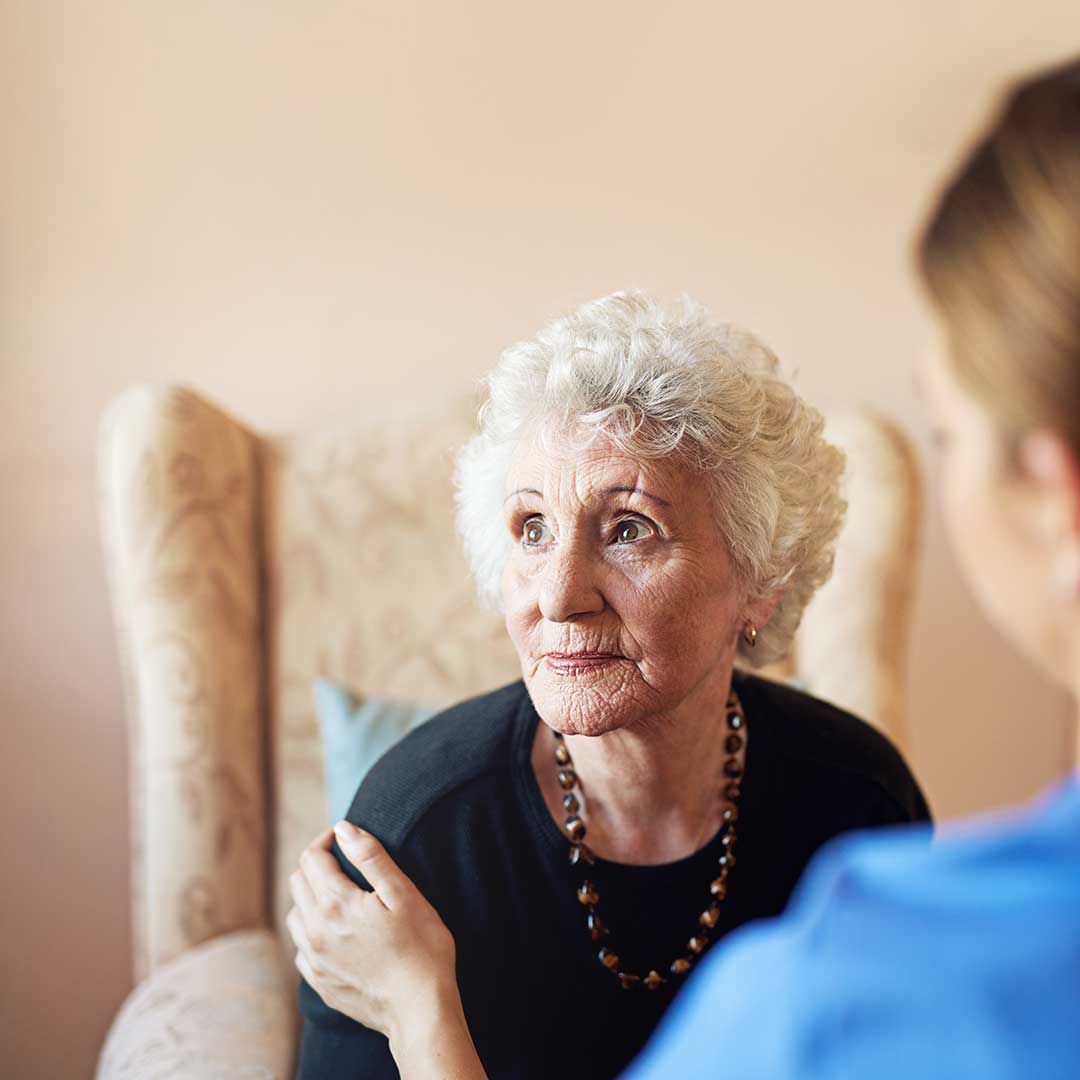
What supports emotional and cognitive well-being?
Social connection, meaningful activity, and mental stimulation are important parts of healthy aging. A resident does not need to participate in every group activity; one regular conversation, hobby, class, or shared meal may be a more comfortable beginning.
Activities can include:
- Puzzles, reading, music, art, or card games
- Calling family members or maintaining written correspondence
- Participating in faith-based, cultural, or educational activities
- Sharing personal skills, stories, recipes, or hobbies with others
- Spending time outdoors when conditions are safe
Feeling lonely, persistently sad, unusually anxious, confused, or uninterested in previously enjoyable activities deserves attention. Depression in later life may appear as fatigue, poor appetite, sleep changes, irritability, or withdrawal rather than sadness alone.
Cognitive health also benefits from managing hearing and vision problems, staying physically active, sleeping adequately, and keeping chronic conditions under control. New confusion or a sudden change in behavior should be reported promptly because it can indicate an urgent medical issue.
Which health appointments and preventive steps matter?
Healthy aging includes regular monitoring, not just responding to illness. Residents can keep an updated list of medications, allergies, diagnoses, health contacts, and questions for medical visits. Preventive care may include vaccinations, vision and hearing checks, dental care, osteoporosis screening when appropriate, and monitoring of conditions such as diabetes or high blood pressure.
Residents may also ask whether they need:
- A medication review
- A fall-risk assessment
- A review of advance care preferences
- Support for smoking cessation or reducing alcohol
- Help managing pain, incontinence, constipation, or swallowing concerns
Seasonal conditions can affect health in the local community. During winter, residents may need to plan for icy walkways, reduced daylight, and time indoors. During summer heat, indoor cooling, hydration guidance, and awareness of heat-related symptoms become more important.
How can residents maintain independence safely?
Independence does not mean doing everything without assistance. It means having an appropriate role in daily decisions and activities. Residents can help preserve independence by choosing clothing, planning parts of the day, participating in meals and activities, and expressing preferences about routines.
A useful approach is to request the least restrictive support that safely meets the need. For example, a resident might use a mobility aid, receive help with shower setup, or ask for reminders while continuing to perform the parts of the task they can manage.
Healthy aging is most sustainable when routines are realistic, enjoyable, and reviewed as abilities change. Regular movement, adequate food and fluids, sufficient sleep, social connection, and timely attention to new symptoms can help residents protect both health and quality of life.
