
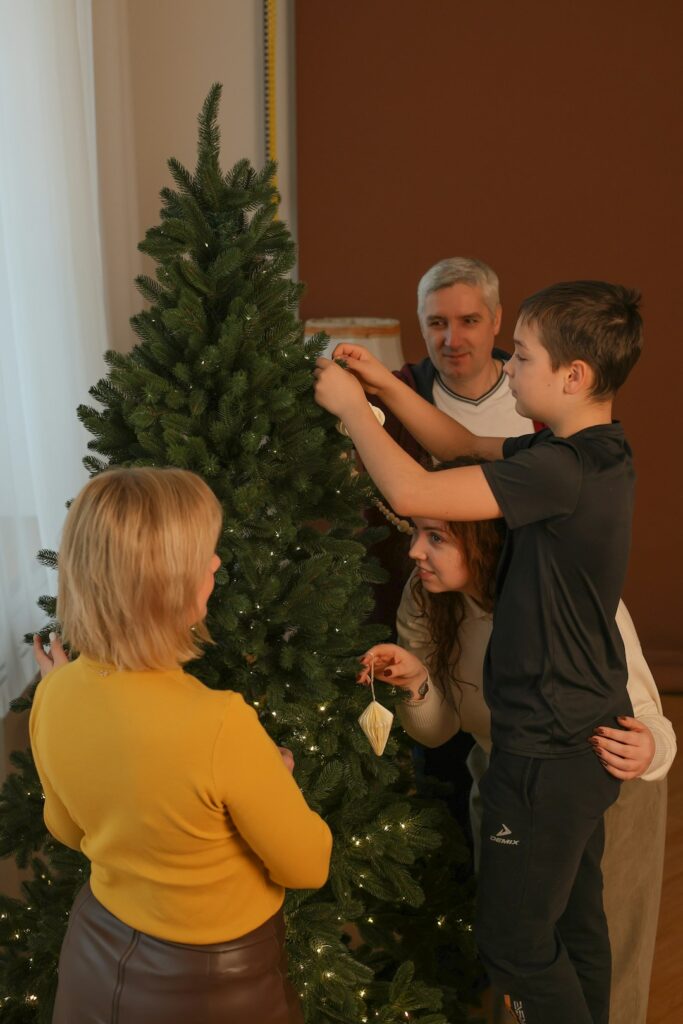
Holiday traditions can continue in assisted living, although they may look different from celebrations held at home. Residents can enjoy familiar foods, music, decorations, religious observances, family visits, and seasonal activities while adapting plans to personal abilities, health needs, shared living spaces, and community schedules.
How can residents celebrate holidays in assisted living?
Residents can celebrate by combining personal traditions with activities offered in the community. A holiday may include a family meal, a small gathering in a private room, a faith-based service, a craft, a favorite movie, or a quiet visit with one or two people.
The most meaningful plans are usually familiar and manageable. A resident who once hosted a large gathering might now prefer to:
- Display a few treasured decorations
- Prepare a favorite recipe with help from staff or family
- Listen to music connected with the holiday
- Send handwritten cards
- Share stories or photographs
- Attend a community celebration for a short time
- Take part in a religious or cultural observance
- Enjoy a private meal with family members
There is no single correct way to celebrate. Some residents enjoy busy events, while others prefer a calm afternoon and a phone call from someone they love.
Can residents keep their own holiday traditions?
Yes. Personal traditions can often continue with modest adjustments. A tradition does not need to be elaborate to remain meaningful. The emotional connection may come from a particular song, recipe, ornament, prayer, greeting, or family story.
Families can ask the resident which parts of the holiday matter most. This helps avoid creating a schedule that is crowded with activities but does not reflect the resident’s preferences.
For example, a resident may care less about decorating an entire apartment and more about placing one familiar ornament near the window. Another person may not want to attend a large party but may enjoy helping choose holiday music or folding napkins for a shared meal.
Residents and families should also consider changes in vision, hearing, memory, strength, or stamina. A tradition can often be preserved by changing the format rather than eliminating it.
How should families plan holiday visits?
Holiday visits work best when they are planned around the resident’s energy level and the community’s routines. Before visiting, families should learn whether there are limits on the number of visitors, shared-space use, food, decorations, or visiting hours.
A shorter visit may be more enjoyable than an all-day gathering. Late morning or early afternoon may suit residents who become tired later in the day. If several relatives plan to visit, smaller groups at different times can reduce noise and confusion.
Helpful planning questions include:
- What time of day is usually best for the resident?
- Would a private room or common area be more comfortable?
- Are children or pets permitted under community rules?
- Can visitors bring homemade food?
- Is the resident able to participate in a meal away from the community?
- Will transportation or weather affect the plan?
- Does the resident need rest periods between activities?
In Bryn Mawr, PA, winter holidays may involve cold temperatures, icy walkways, and changing travel conditions. Families should allow extra time for transportation and avoid making outdoor plans that depend on mild weather. A flexible indoor plan can prevent a weather delay from becoming a major disappointment.
What holiday decorations are safe in assisted living?
Safe decorations are lightweight, stable, and easy to see around. Decorations should not block walkways, exits, doorways, heating equipment, or emergency devices.
Common safety concerns include loose cords, open flames, breakable ornaments, small objects, and decorations that could be mistaken for food. Battery-operated candles are generally safer than real candles, but any light source should still be used according to community rules.
Good choices may include:
- A small tabletop arrangement
- Nonbreakable ornaments
- Fabric decorations
- Battery-operated lights approved for indoor use
- Seasonal cards and photographs
- A wreath or decoration secured so it cannot fall
- A small artificial tree that does not obstruct movement

Residents with memory loss may find too many decorations confusing. A simple arrangement with recognizable objects can create a festive atmosphere without making the room feel unfamiliar.
How can holidays be inclusive of different beliefs and traditions?
Assisted living communities often include residents with different religious, cultural, and family backgrounds. Inclusive celebrations give residents choices rather than assuming that everyone observes the same holiday.
Residents should be able to participate in holiday activities, observe privately, or decline altogether. A respectful approach may include offering seasonal programs alongside opportunities for prayer, reflection, cultural traditions, or quiet time.
Families can explain any meaningful customs to staff and ask how those customs might be accommodated. This may involve dietary preferences, fasting, special clothing, music, prayer times, religious objects, or attendance at a service.
Participation should remain voluntary. A resident who does not want to join a group event should not be treated as uninterested or ungrateful. Personal choice is part of a respectful holiday experience.
What should families know about holiday meals?
Holiday foods can be comforting, but they may need to be adapted for medical and safety needs. Residents and families should follow the dietary plan provided by the assisted living community and ask before bringing unfamiliar foods.
Potential concerns include food allergies, diabetes, swallowing difficulties, low-sodium requirements, medication interactions, and foods that are difficult to chew. A favorite dessert may be served in a smaller portion, modified for texture, or enjoyed at a different time.
Families can preserve the meaning of a traditional meal by focusing on familiar flavors and shared conversation. A small serving of a favorite dish may be more enjoyable than a large plate that causes discomfort.
Alcohol also requires caution because it may interact with medications, affect balance, or worsen confusion. Any alcoholic beverage should be discussed with the resident’s care team and handled according to community policy.
How can families include residents who have memory loss?
People living with memory loss can still enjoy holidays, especially when activities emphasize the senses and the present moment. Familiar music, scents, photographs, simple crafts, and favorite foods may be more effective than asking the resident to remember dates or names.
Visitors can use gentle conversation prompts such as:
- “This song reminds me of the holidays at home.”
- “Would you like to hold this ornament?”
- “Here is a picture of the family from several years ago.”
- “Would you prefer tea or cocoa?”
- “Would you like to sit with us for a few minutes?”
Avoid quizzing the resident about who is present or what happened in past years. If the resident becomes tired, upset, or overwhelmed, a quieter activity may be appropriate.
A familiar routine can also help. Keeping regular meal, medication, and rest times may make the holiday feel safer and more predictable.
What if a resident feels lonely or does not want to celebrate?
Holiday sadness is common, particularly for residents who have experienced loss, moved away from home, or cannot participate in familiar traditions. A resident may appreciate acknowledgment of difficult feelings rather than pressure to appear cheerful.
Family members can offer companionship without forcing conversation or participation. A quiet visit, shared music, a favorite television program, or help writing cards may be enough.
Staff should be informed if a resident shows persistent sadness, withdrawal, anxiety, confusion, or changes in sleep or appetite. These signs may reflect more than ordinary holiday disappointment and deserve thoughtful attention.
The goal is not to recreate every past celebration. It is to help the resident feel respected, included, and comfortable while preserving the parts of the season that still carry personal meaning.
